

Tuscany
Depth & regional identity
Pace & Structure
Duration: 4–6 days
Base: Countryside (Val d’Orcia or Chianti)
Movement: by car, short to moderate distances
Rhythm: active mornings, slower afternoons, limited daily scope
Season: April–June / September–October
Tuscany is often reduced to landscapes.
It is better understood as a region where how you move — and where you stay — defines the experience.
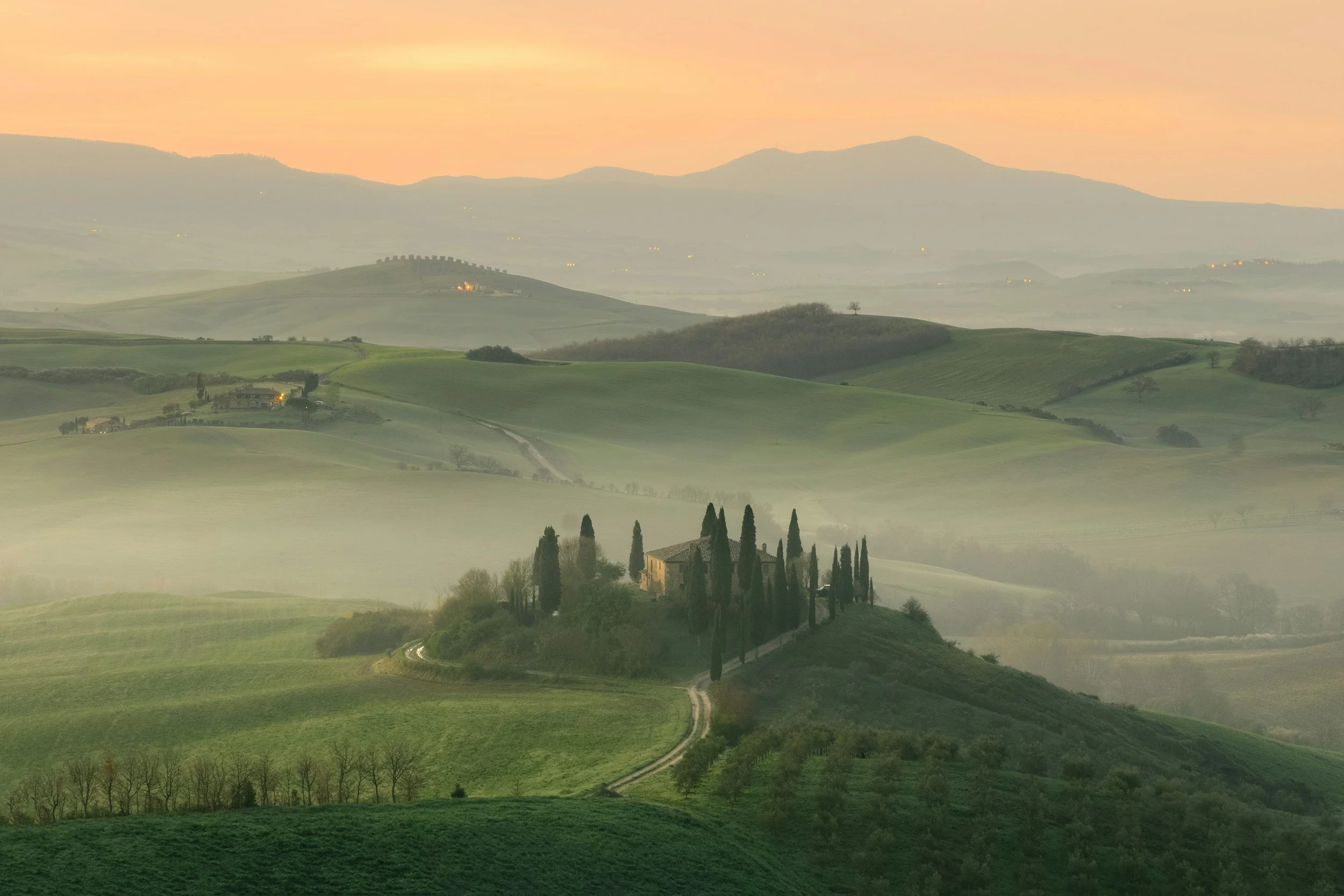
Places are spread out, and distance matters. Attempting to visit too much quickly turns the journey into constant movement. What works instead is choosing a single base and exploring from there, allowing the surrounding landscape to become part of the experience.
This is not a sequence of towns to check off, but a region to settle into — where time is spent as much between places as within them.
A way through Tuscany
The journey works best when anchored around a single base in the countryside — typically within Val d’Orcia or Chianti — allowing direct access to the region without daily repositioning.
From this base, movement remains limited and deliberate. Days are built around short distances — visiting one or two places at most, rather than attempting to cover multiple towns.
Mornings are best used for exploration — hill towns such as Pienza, Montepulciano, or quieter alternatives approached before they become active. By afternoon, the focus shifts back toward the countryside.
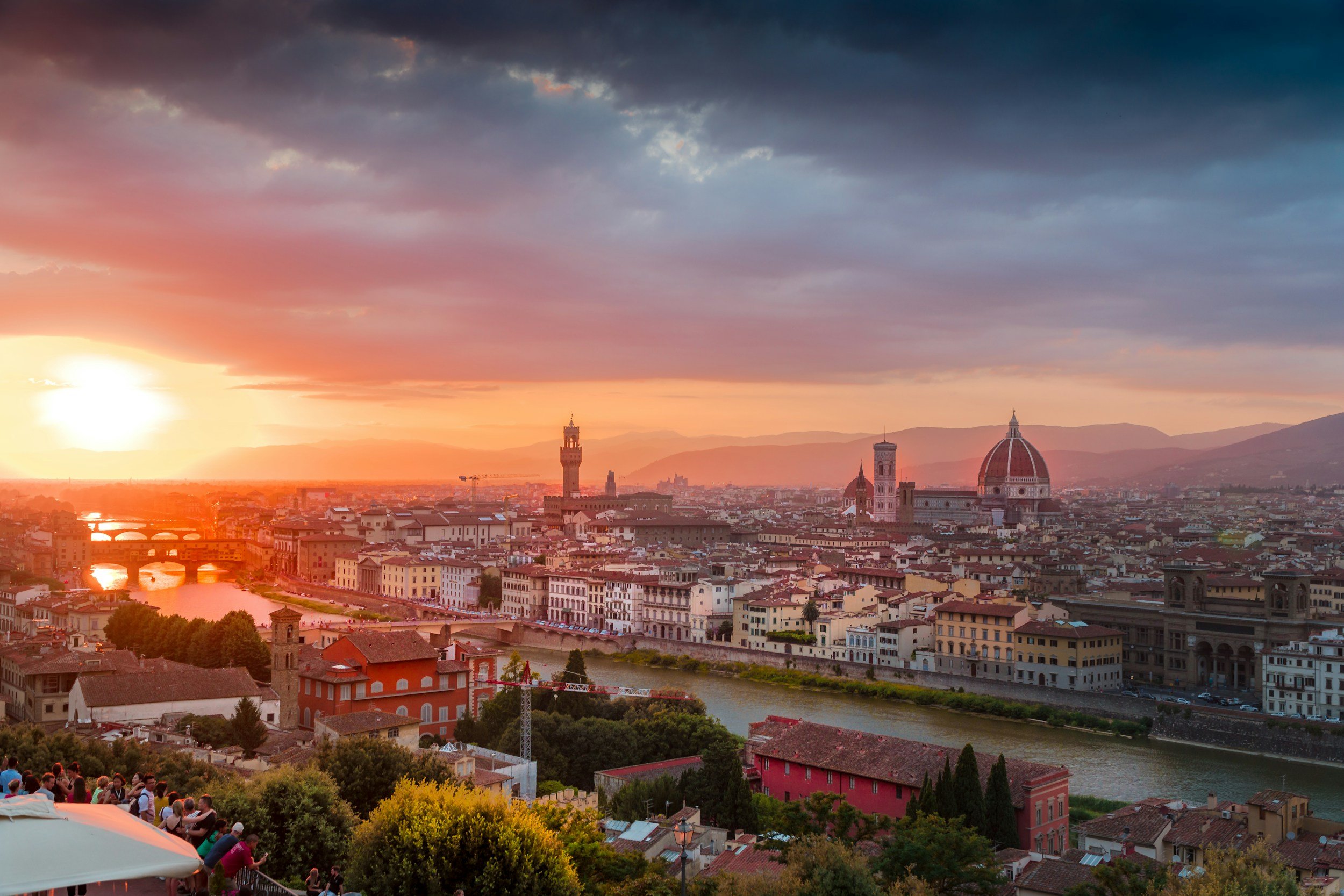
Florence is approached separately — as a short stay at the beginning or end of the journey, rather than as a base for exploring the region.
Driving becomes part of the experience, but not the objective. Routes are chosen for coherence rather than speed, allowing the landscape itself to define the journey.
Time is left unstructured — whether around a vineyard, a long lunch, or simply remaining in place.
How this journey can be experienced
This journey can be experienced independently, through a designed plan that defines where to stay, how to move, and how to structure each day — avoiding unnecessary movement while keeping the experience balanced.
When guided, the experience becomes more fluid. Distances, timing, and transitions are adjusted in real time — reducing friction, simplifying movement, and allowing each part of the region to be experienced with more depth and continuity.
If this journey resonates, it can be shaped around your own intent — or any place you have in mind.