

Paris
Urban flow & movement
Pace & Structure
Duration: 3–5 days
Base: Central Paris (Left Bank or Right Bank core)
Movement: primarily on foot, limited metro use
Rhythm: structured mornings, slower afternoons, localized days
Season: year-round (spring and early autumn preferred)
Paris is often approached as a collection of landmarks.
It is better understood as a city of movement — where how you navigate defines the experience.
Distances are short, but the city is dense. Time is easily lost in unnecessary crossings, inefficient routes, and overplanned days. What matters is not how much is seen, but how each part of the city is approached.
This is not about covering Paris, but about moving through it with intention — allowing each neighborhood to be experienced at the right moment, and without friction.
A way through Paris
Arrival sets the tone. Staying within a central area — typically the Left Bank or a well-positioned Right Bank neighborhood — allows most movement to happen on foot from the start.
Days are structured around proximity rather than ambition. Mornings are best used for more visited areas, approached before they fill. By midday, the city shifts — and time is better spent locally, within a single neighborhood.
Movement across the city is kept minimal. Instead of crossing Paris repeatedly, each day builds around a coherent area — Saint-Germain, the Marais, or the 1st arrondissement — allowing the experience to unfold without constant navigation.
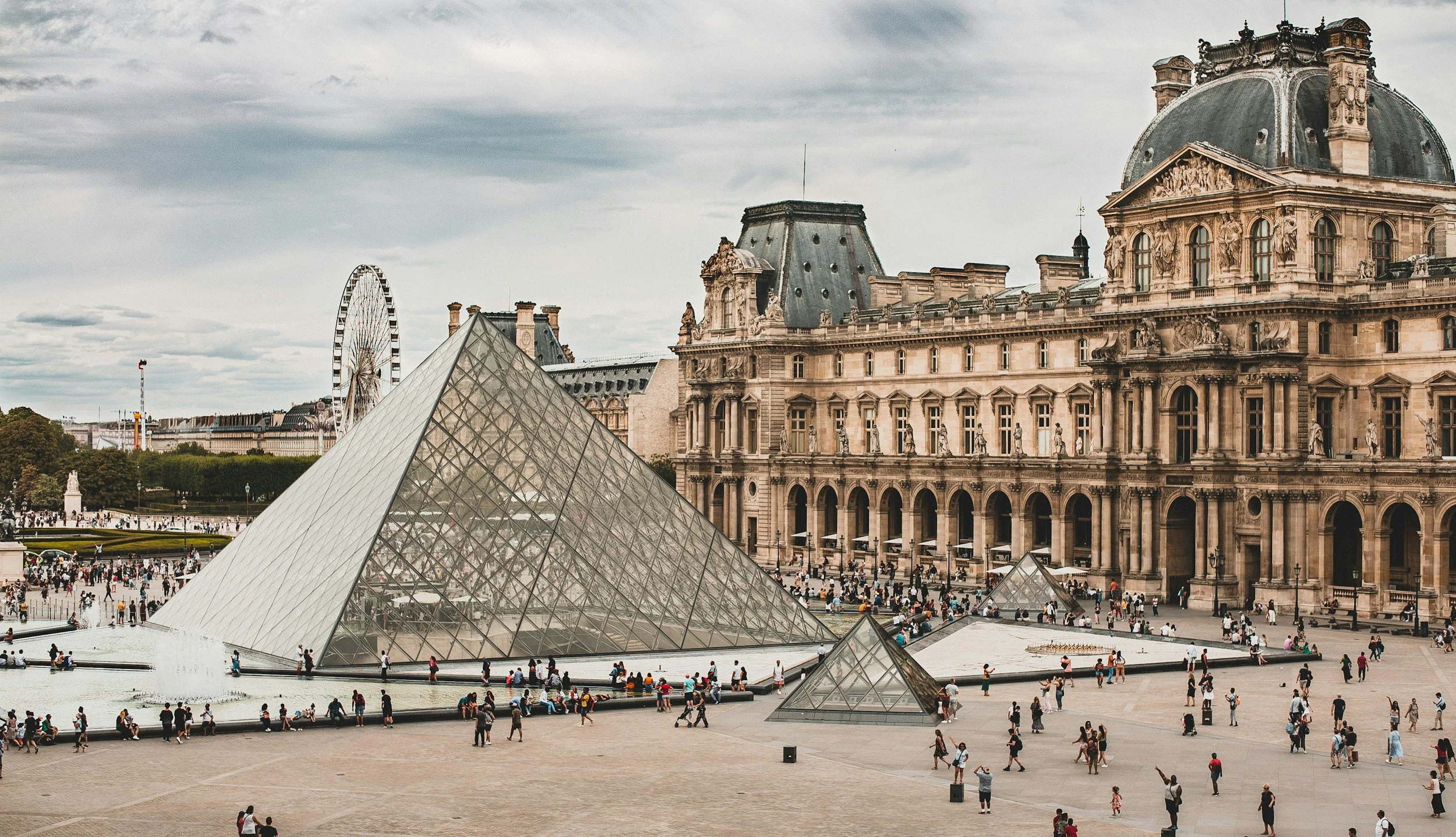
Certain places remain essential, but are approached selectively. The Louvre, for example, works best as a focused visit, integrated into a broader day rather than treated as a destination in itself.
Evenings settle naturally — not as scheduled events, but as extensions of where the day has taken place.
How this journey can be experienced
This journey can be experienced independently, through a designed plan that defines where to stay, how to move across the city, and how each day is structured — reducing unnecessary crossings and keeping the experience fluid.
When guided, the experience becomes more intuitive. Movement is adjusted in real time — routes shift naturally, timing adapts to the city’s rhythm, and transitions become seamless. Less energy is spent navigating, and more attention is given to the experience itself.
If this journey resonates, it can be shaped around your own intent — or any place you have in mind.